
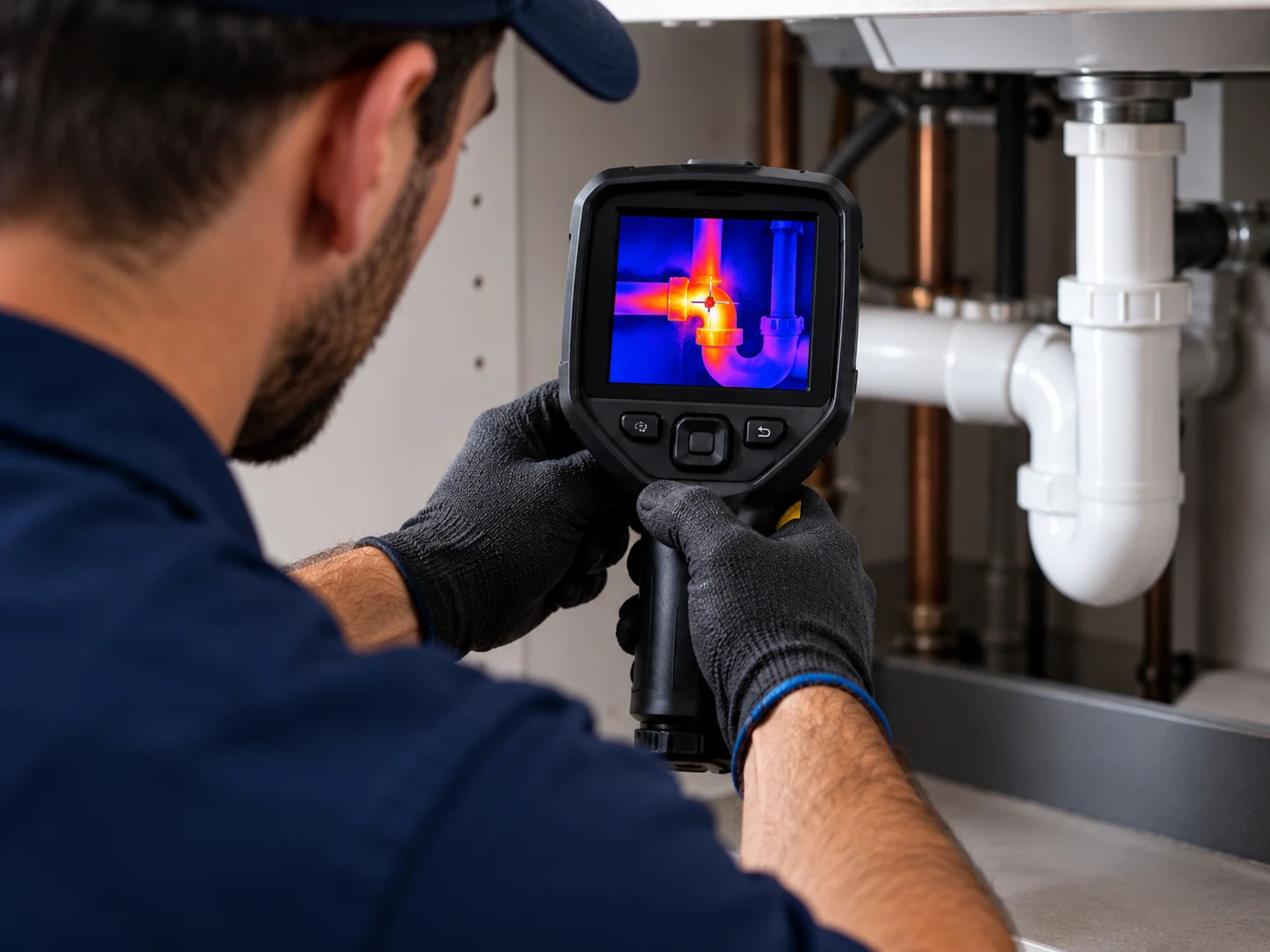
A visible drip may come from a fitting, a hose, a valve or the drainage below the sink. Identifying the actual source determines whether the work is a repair, replacement, drain clearing or further investigation.
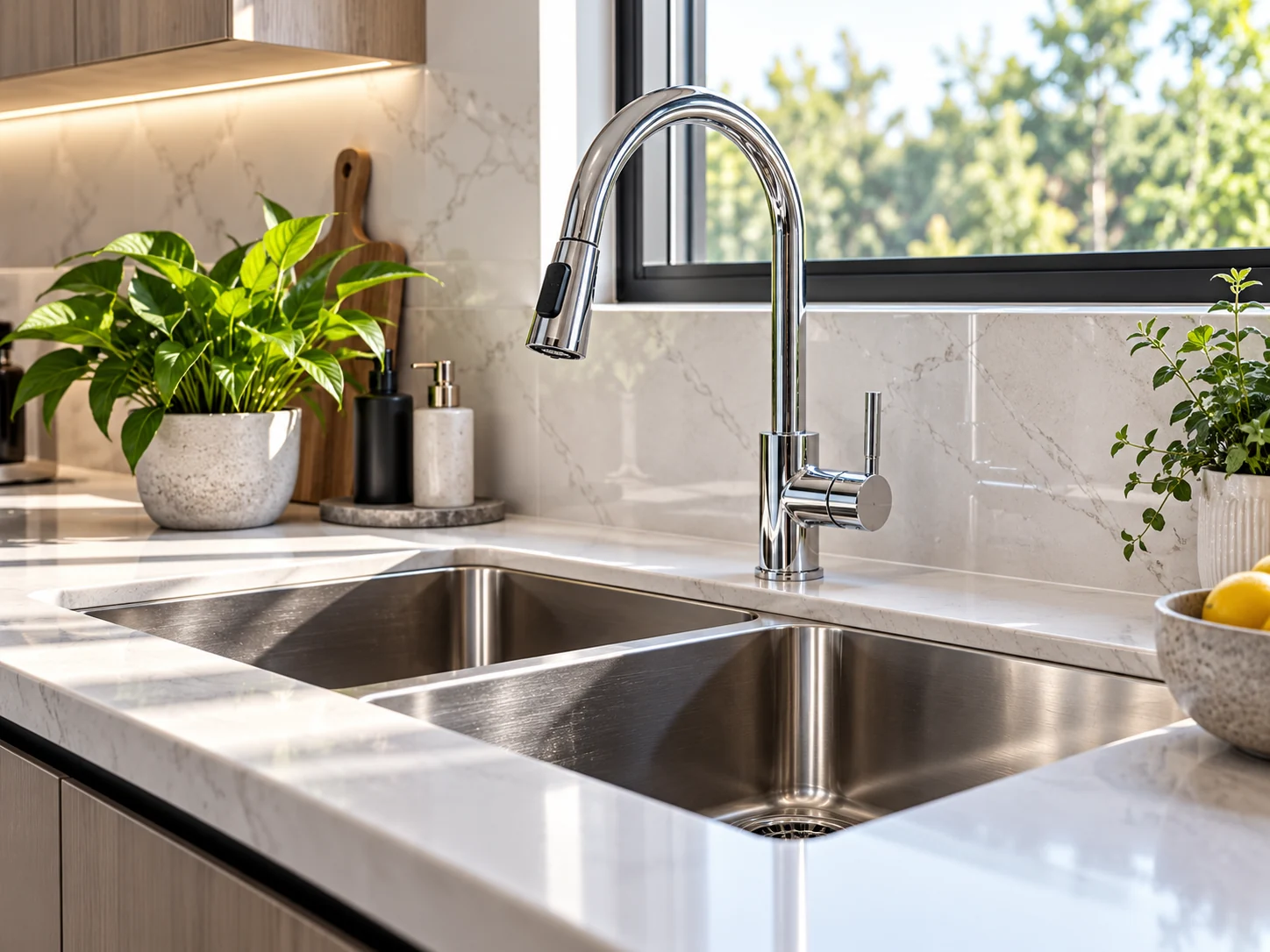
From a leaking mixer or blocked sink to a dishwasher connection, Grade A Plumbing helps Melbourne households and property managers work out the next sensible step. Emergency plumbing enquiries are welcome 24/7 where available.
Share which fixture is affected, whether there is a leak and what access is available beneath the sink or bench.
A kitchen plumbing problem can stop the everyday routine quickly. Whether water is collecting under the sink, the mixer will not stop dripping or the drain is backing up, a clear assessment helps prevent a small issue becoming damage to cupboards, flooring or stored items.
Grade A Plumbing provides kitchen plumbing help across Melbourne for homes, rental properties and workplaces. The work can range from tracing a leak at a tap or waste pipe to fitting a replacement sink, connecting a dishwasher or investigating weak water flow.
If there is active water escaping, move valuables clear of the area and avoid using nearby electrical items. Share what you can see, hear and smell when you call so the problem can be prioritised sensibly.
A kitchen brings water supply, drainage and appliances into one busy area. The tap and mixer bring clean water in, while the waste pipe carries used water away through the trap beneath the sink and into the drain system. A fault in any one part can show up as a drip, odour, slow bowl or wet cabinet floor.
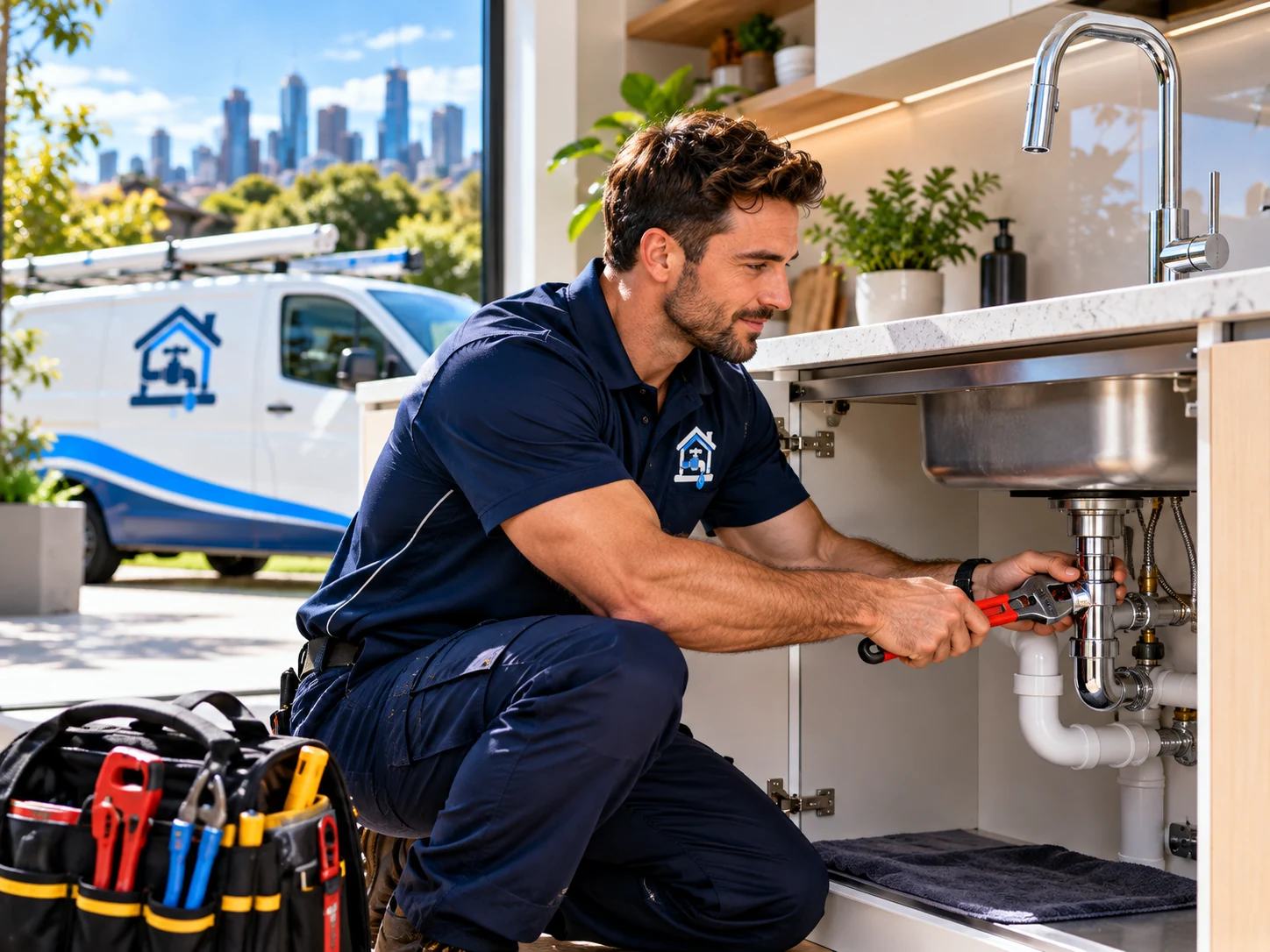
Kitchen plumbing is not just about the visible fittings. Connections inside a cupboard, worn seals, shut-off valves, flexible hoses, sink waste fittings and the pipe beyond the wall all need to be considered when working out what has gone wrong. Looking at the full path of the water helps avoid treating only the symptom.
For new work and alterations in Victoria, plumbing should be carried out by an appropriately licensed or registered practitioner working within the relevant requirements. That matters when a fixture is being moved, a dishwasher is added or drainage is altered, not only when there is an obvious leak.
Common kitchen plumbing work includes:
A mixer combines hot and cold water at one fitting. When it leaks, the water may come from the spout, handle, base of the mixer or the supply connections below the bench. The position of the leak is useful information because it points to a different part of the fitting or connection.
A replacement mixer needs to suit the sink or benchtop opening, the clearance under cupboards and the existing water connections. A high spout, pull-out hose or extra outlet may affect how the mixer sits and how it is used, so it is worth considering pot filling, splash control and access before choosing a style.
A persistent drip wastes water and a leak below the bench can remain hidden until it has affected cabinetry. Rather than tightening or disturbing old fittings without knowing their condition, arrange an assessment of the mixer and its connections so the appropriate repair or replacement can be discussed.
Replacing a kitchen sink involves more than lifting one bowl out and lowering another in. The new sink must work with the benchtop cut-out, cabinet space, mixer position, waste outlet and overflow arrangement. A change from a single bowl to a double bowl, for example, can alter the under-sink drainage layout.
Useful kitchen upgrades can include a mixer that better suits the way you wash up, a separate point for a water filter tap, a dishwasher connection, accessible shut-off valves or a tidier waste arrangement that frees cabinet space. The right option depends on the existing kitchen, the fixtures you have selected and whether you are making a small change or renovating the whole room.
It is best to plan plumbing before cabinetry, stone, tiles or a new appliance make access harder. In an older Melbourne kitchen, an assessment can also identify ageing fittings or restricted space that may affect the proposed work before the sink is removed.
A kitchen sink that drains slowly often has a build-up close to the sink, but a recurring blockage can be farther along the waste pipe or drain. Food scraps, fats, oils and grease can collect in the pipework as they cool, while a damaged or poorly aligned pipe may stop water moving away as it should. Gurgling, a smell from the sink or water rising in the other bowl are useful clues to report.
Start by avoiding more water going into a fully blocked sink. Do not keep tipping fats, oils, food scraps or leftover sauces down the drain; allow fats and oils to cool, then wipe or contain them for the bin, and use a sink strainer for food scraps. Repeated use of harsh chemical cleaners can make the area harder and less safe to inspect, especially if water remains in the bowl.
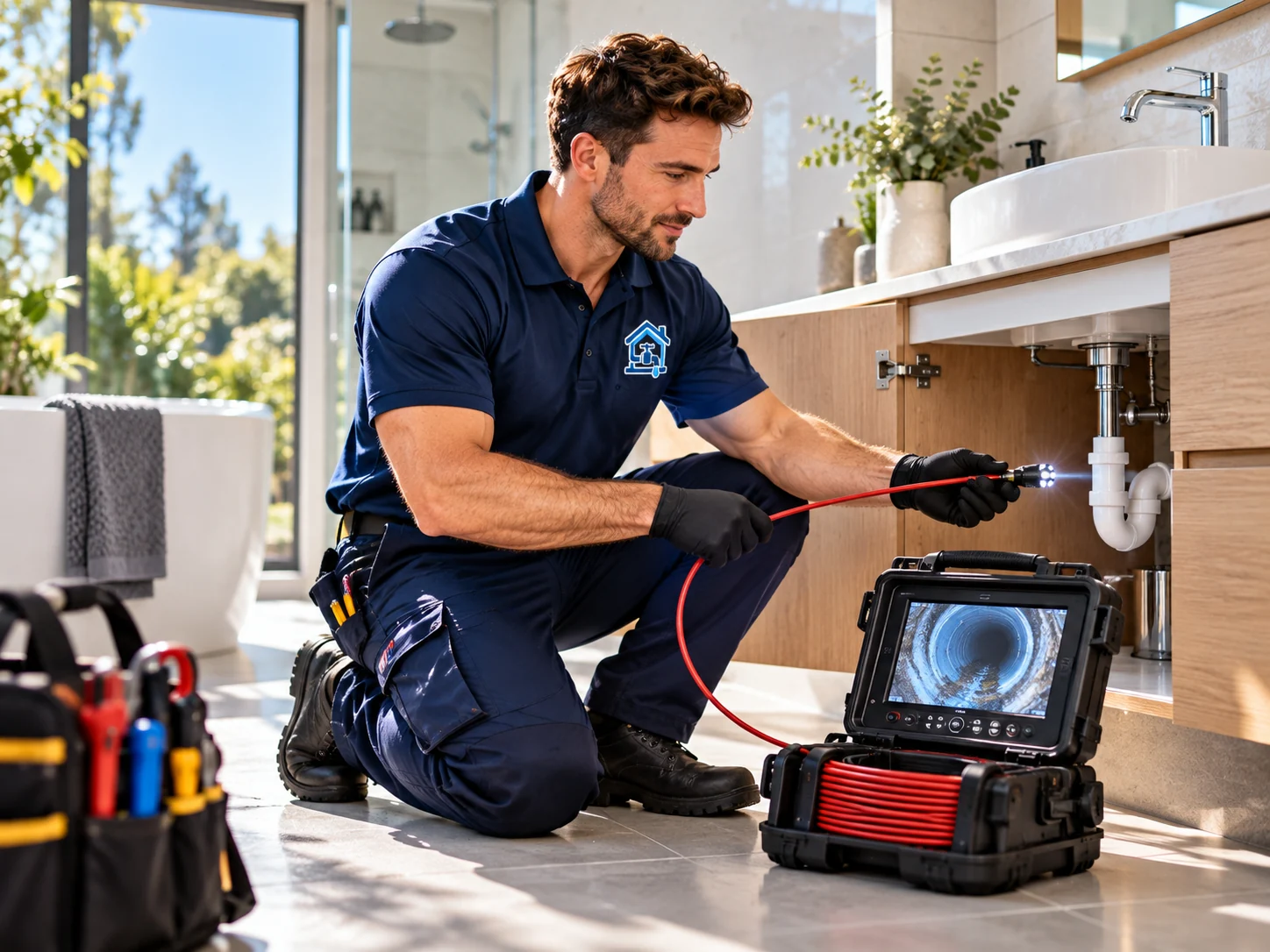
An assessment distinguishes a local under-sink fault from a blockage farther along the line. Depending on what is found, the work may involve clearing the obstruction, repairing a leaking or damaged waste section, correcting a connection or inspecting the drain more closely; a CCTV drain camera may be appropriate in some situations.
These signs are a starting point, not a diagnosis. Several faults can look similar, particularly when water has travelled inside a cupboard or wall.
| What you notice | Possible area to check | Sensible next step |
|---|---|---|
| Water stays in one sink bowl | Food or grease build-up in the trap or nearby waste | Stop adding water and have the drainage assessed. |
| Both bowls gurgle or back up | A restriction farther along the kitchen waste or drain | Avoid using the sink and note whether other fixtures are affected. |
| Cabinet floor is wet | Mixer hoses, isolation valves, sink waste or dishwasher connections | Dry what you can see, protect belongings and identify when the leak appears. |
| Water around the mixer base | Mixer seal, mounting point or a leak travelling from above | Avoid assuming the visible spot is the source; arrange an inspection. |
| Weak flow at the kitchen tap | Aerator, mixer, local valve, supply line or wider pressure issue | Compare hot and cold flow and whether other taps are affected. |
| Leak during a dishwasher cycle | Dishwasher hose, waste connection, appliance or adjacent pipework | Stop the cycle if safe and avoid using power near pooled water. |
If water is spreading quickly or approaching electrical outlets or appliances, treat it as urgent and make the area safe before further use.
 concept
The repair depends on the fixture, connections and cause of the problem. We clarify the proposed work before it proceeds.
A dishwasher needs a secure water supply connection and a waste connection that lets the appliance drain properly without allowing dirty water to return where it should not. The route of the hoses matters as much as the visible appliance position, particularly in a crowded cabinet beside the sink.
Water on the floor during or after a cycle can come from an appliance fault, an inlet hose, a drain hose, a connection or nearby kitchen plumbing. Because the source is not always obvious, do not assume the dishwasher itself is the cause just because the leak appears when it runs.
If a dishwasher is being added or replaced, tell us the appliance position, whether there is an existing point and any planned cabinet changes. This allows the connection and drainage path to be considered alongside the sink waste rather than treated as an afterthought.
Low flow from a kitchen tap may be noticed as a weak stream, uneven hot and cold flow or a change that has developed gradually. A problem limited to one tap can have a different cause from low pressure throughout the property, so comparing what happens at other fixtures is helpful.
The cause might be at the outlet of the tap, inside the mixer, at a local valve or hose, or elsewhere in the water supply. If hot water is affected differently from cold, that is also useful information. A plumber can assess the pattern before recommending whether a repair, replacement or further investigation is appropriate.
Avoid adjusting plumbing controls or taking a mixer apart just to chase better flow. If the kitchen has suddenly lost pressure with signs of a leak, turn off water only if it is safe to do so and seek prompt help.
A few practical details make it easier to identify the issue and discuss the right scope of work.
Say whether the issue is a leak, a blockage, a new installation or poor flow, and when you first noticed it. Mention whether it happens only when the tap or dishwasher is used.
Move stored items away from moisture and keep people clear of pooled water. If it is safe and you know which local valve controls the fixture, you may turn the water off; do not take risks to reach it.
Clear the cupboard under the sink where possible and keep any appliance information handy. This helps with checking visible connections, drainage and the space available for repairs or replacement parts.
The work should be based on what is actually found, not guesswork from the symptom alone. You can then discuss repair, replacement, drainage clearing or an upgrade that suits the kitchen.
A firm price requires the work to be assessed, including access and any parts or alterations needed. For Victorian plumbing work, use an appropriately licensed practitioner and ask about documentation that may apply to the job.
For a kitchen leak, keep towels, stored goods and people away from water that is near a power point, power board, appliance lead or electrical appliance. Do not touch electrical items with wet hands or stand in pooled water to investigate the leak. If it is safe, stop using the affected tap or dishwasher and arrange urgent help where water is escaping or spreading.
If you smell gas near a kitchen appliance or suspect a gas leak, leave the area. Do not use electrical switches, flames or appliances, and contact the gas distributor's emergency line or 000 from a safe place. Do not attempt gas repairs, testing or reconnection yourself.
Tenants should report a leak, blocked sink or appliance connection issue promptly through the usual property contact, especially if water is affecting cabinets, flooring or electricity. Clear photos and a short note about when the problem occurs can help the owner or manager arrange the right response. Do not authorise alterations to a rental kitchen without the relevant approval.
For landlords and property managers, an accurate brief helps avoid disruption for occupants. Include the property access arrangements, whether the water can be isolated, the location of the leak or blockage, the appliance involved and any visible water damage. This is particularly useful for a vacant property or a kitchen used by staff or customers.
Commercial kitchens can place more demand on drainage than a household kitchen. If food preparation or washing is part of the operation, tell us early: the relevant water corporation may have trade-waste requirements that affect the drainage arrangement and equipment needed.
We do not publish fixed prices, because the right figure depends on what is actually found on site. These are the factors that shape a quote, and the proposed scope and price are explained before agreed work proceeds.
A visible drip may come from a fitting, a hose, a valve or the drainage below the sink. Identifying the actual source determines whether the work is a repair, replacement, drain clearing or further investigation.
Crowded cupboards, fixed cabinetry, stone benchtops, appliances and water-damaged areas can change the time and care needed to reach the work. Clear access under the sink can help with assessment.
The type of mixer, sink, waste fittings, valves, hoses and any appliance connection affects the materials and installation work. A replacement must also suit the existing kitchen layout and services.
A nearby trap blockage is different from a restriction or defect farther along the waste or drain. The extent of investigation and any repair required depends on where the issue is found.
Moving a sink, changing bowl layouts, adding a dishwasher point or altering waste pipework involves more than a like-for-like swap. The scope needs to account for the final fixture positions and connections.
Urgent water issues, occupied rentals, commercial operating hours and restricted access can affect how the work is arranged. A firm price requires the work and site conditions to be assessed.
Every business prices this work differently, and the figure depends on the assessment outcome, access, parts and whether attendance is outside standard hours. Ask for the proposed scope and price before work starts.
If your situation is urgent, call first to discuss availability and the safest next step.
Water around the base can be caused by a seal, the mixer body, the mounting point or water running down from the spout or bench. The visible puddle does not always show the true source. Avoid leaving it unchecked because moisture can spread into the benchtop or cabinet; an inspection can identify whether the fitting or another connection needs attention.
That depends on the condition of the mixer, the location of the leak and whether suitable components are available. A fault in one internal part does not automatically mean the whole mixer must be replaced, but a deteriorated or unsuitable fitting may make replacement the more practical option. The decision is best made after the mixer and its under-bench connections have been assessed.
Repeated blockages can mean there is a build-up in the trap or waste pipe, but they can also indicate a restriction farther along the drainage line or a problem with the pipe itself. Food scraps, fats, oils and grease are common contributors to kitchen blockages. Clearing the immediate blockage may not solve the problem if there is an underlying drainage issue.
A dishwasher drains into the kitchen waste system, so a restricted waste pipe can show up when the dishwasher pumps out. A poor connection or appliance fault can also create a separate leak or drainage concern. Note whether the sink rises during the dishwasher drain cycle and share that detail when arranging an assessment.
Usually, the sink waste and mixer connections need to be disconnected and reconnected, and the new sink must suit the existing drainage and cabinet space. A different bowl layout, outlet position or mixer position can change the work required. Planning it before the old sink is removed helps identify any connection or access issues.
When the problem is limited to one tap, the cause may be local to the outlet, mixer, hoses or valve rather than the whole property supply. Differences between hot and cold flow are also useful clues. Avoid dismantling the fitting without knowing the cause, as a plumber can assess the supply and fitting together.
Harsh chemical products may not remove the underlying cause of a blockage and can be hazardous if they remain in standing water or react with other products. They may also make a later inspection less safe. If a sink is fully blocked, stop adding water and let the plumber know exactly what has been put into the drain.
It is commonly called the trap. It holds a small amount of water that helps stop sewer odours from coming back through the sink waste. A trap can leak at its connections or collect debris, but it is only one part of the kitchen drainage path.
Yes. A slow leak can soak shelf bases, swell chipboard, affect stored goods and allow moisture to travel out of sight. Drying the area and reporting the leak early can limit further damage, but the source still needs to be found. Check for water after using the tap or dishwasher rather than assuming a dry surface means the issue has stopped.
Describe the exact symptom, where water appears, when it happens and whether the sink, dishwasher or another fixture is involved. Mention any recent appliance, tap, sink or renovation work. If you are a tenant or property manager, also provide the access process and the right contact for approvals.
General plumbing, safety and compliance guidance on this page was checked against the following Australian sources. Nothing on this page replaces an on-site assessment.
Current availability depends on location and bookings. For immediate danger, contact emergency services.
Browse listed suburbs and contact us to confirm current availability.