A visible leak, a recurring drain blockage and a hot-water fault can require very different investigation and repair work. The cause needs to be assessed before the scope and price can be confirmed.
Buying a Home with a Rainwater Tank: Questions Before You Rely on It

From a toilet out of action to a drain backing up, Grade A Plumbing helps businesses and property managers understand the problem and next steps. Call (02) 5837 5457 or email support@gradeaplumbing.store to discuss a commercial plumbing issue.
Enquiries for offices, shops, hospitality, facilities and managed properties. Share the site access and operational requirements when you call.
A plumbing problem at a business is rarely just a plumbing problem. A blocked toilet can affect staff and visitors, a hot-water fault can interrupt amenities or operations, and a leak can put stock, finishes and neighbouring tenancies at risk. Grade A Plumbing provides commercial plumbing support for Melbourne businesses, landlords, tenants and property managers who need a practical plan for the site in front of them.
The first priority is to make the area safe and understand what is happening. Whether the premises is an office, shop, café, clinic, warehouse or multi-tenanted building, useful details include where water is showing, which fixtures are affected, when it began and whether anyone has isolated the water safely. That information helps separate an urgent containment issue from work that can be planned around trading hours.
Commercial work often needs more coordination than a household repair. Access rules, keys, loading areas, tenant notices, building management requirements and the need to keep bathrooms or kitchens operating can all shape the safest path forward. The focus is on clear communication, sensible sequencing and a scope based on an assessment rather than assumptions.
Plumbing maintenance is a way to find developing faults before they become an after-hours overflow, a closed amenity or a difficult conversation with a tenant. It can be useful for sites with shared toilets, staff kitchens, ageing pipework, recurring drainage issues, hot-water plant or frequent changes of tenancy. The right schedule depends on how the building is used, not on a one-size-fits-all checklist.
A maintenance visit can look at the fixtures and systems that cause the most disruption when they fail. That may include checking for persistent leaks, slow drainage, damaged taps and cistern components, signs of water around hot-water equipment, or issues at accessible inspection points. If a concern is found, the next decision is whether it needs immediate action, monitoring or planned rectification.
For Melbourne property managers, a written record of the reported issue, observations, actions taken and follow-up work can make communication easier across owners, tenants and contractors. It also gives everyone a clearer starting point when the same issue returns. Maintenance is most useful when the findings are translated into plain priorities, not just trade terms.
Scheduled maintenance is suited to premises where an unexpected shutdown would be particularly inconvenient. It lets the property manager or business choose access times, notify occupants and deal with minor defects before they interrupt a busy period. Visits can be arranged around site routines where access and the work scope allow, but the required timing should always be confirmed for the individual job.
A useful plan starts with a site history. Recurring blockages, repeated toilet faults, pressure changes, water staining, odours and prior repairs can point to patterns worth investigating. Site plans, previous reports and notes from cleaners or building staff may also help identify fixtures or areas that need attention first.
After assessment, the work can be grouped into urgent safety or damage-control items, operational repairs and longer-term improvements. This gives owners and managers a way to weigh risk, access requirements and budget without treating every observation as an emergency. A firm price needs the work to be assessed, because the cause and site conditions matter.
Before arranging a visit, it helps to identify the systems and information most relevant to your building.
A commercial drain can block because of debris, grease, paper products, tree roots, a damaged pipe, poor drainage falls or a problem further along the line. The same symptom can have different causes, so simply clearing the immediate backup may not answer why it occurred. An assessment can help decide whether a blockage appears local to one fixture or is affecting a broader part of the drainage system.
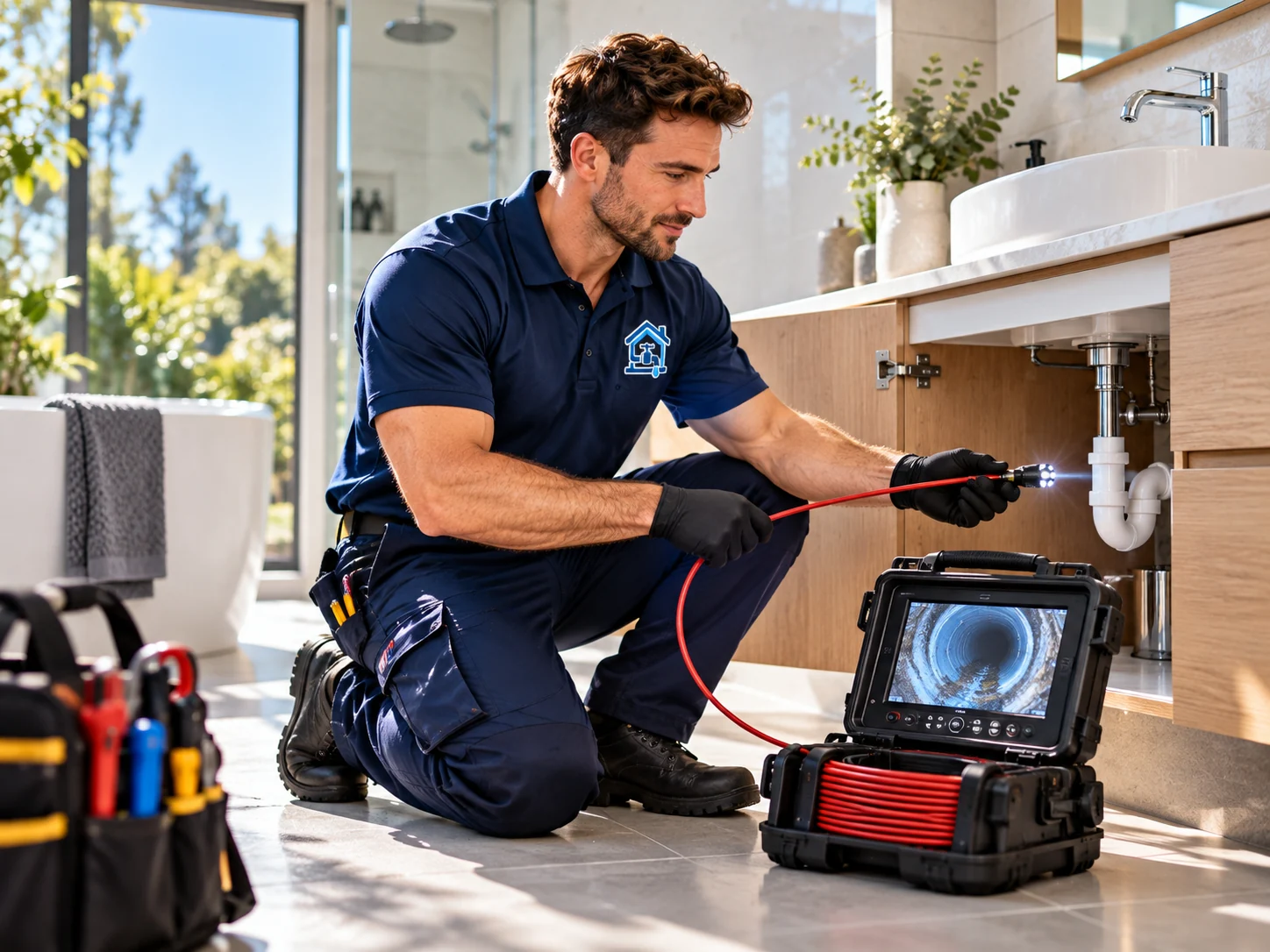
In kitchens and food businesses, grease, food scraps and wash-down practices can contribute to drainage trouble. In other premises, sanitary items, excess paper, foreign objects or scale may be involved. Depending on the suspected cause and access, options such as drain clearing or a CCTV drain camera inspection may be considered to locate a problem without guessing.
If wastewater is backing up, keep people away from the affected area and avoid using connected toilets, sinks or appliances until the situation is understood. Tell the person attending what has overflowed, which fixtures are affected and whether there are nearby floor drains or lower-level areas. That supports safer containment and reduces the chance that normal use makes the incident worse.
These signs do not diagnose the fault on their own, but they help you describe the issue when arranging an assessment.
| What you notice | What it may indicate | Useful action before attendance |
|---|---|---|
| Several fixtures draining slowly or gurgling | A restriction or blockage in a shared drain line | Avoid adding more water and note the fixtures involved |
| Water on a bathroom or plant-room floor | A leak, overflow, failed fitting or drainage issue | Keep people clear, protect nearby items if safe and identify the source only from a distance |
| A toilet repeatedly refilling, leaking or unavailable | A cistern, inlet, outlet or drainage fault | Place an out-of-order notice if needed and tell staff which amenity is affected |
| Hot water is inconsistent or absent | A supply, storage, temperature-control or appliance issue | Record where the problem occurs and avoid altering gas equipment or temperature settings |
If water is near electrical equipment, do not enter a hazardous area or attempt a repair. Isolate the area and arrange appropriate assistance.
A toilet out of service changes how a workplace or public-facing premises operates. The immediate question is whether the issue is isolated to one toilet or is part of a wider drainage or water-supply problem. Clear signs for staff and visitors, access to another amenity where available, and early notice to the property manager can help limit confusion while the issue is assessed.
Common reports include a toilet that will not flush properly, a cistern that keeps running, a pan that is leaking at the base, bad odours, a loose fixture or repeated blockages. These can involve different parts of the system, so the visible symptom is not always the repair itself. An inspection considers the fixture, its supply, waste connection and the way the area is being used.
For multi-tenant or managed buildings, record the exact toilet or amenity location and whether there has been an overflow. This avoids delay caused by a contractor arriving without the right access or attending the wrong level. It also helps managers give occupants a factual update without promising a completion time that has not been confirmed.
Commercial hot water may serve staff kitchens, bathrooms, showers, healthcare or care settings, food preparation areas, several tenancies or specialist equipment. When supply changes, the symptoms can be no hot water, fluctuating temperature, low flow, a relief discharge, water around equipment or a localised issue at one outlet. The system type, energy source, storage capacity, pipe runs and temperature-control components all affect the assessment.
Hot water needs to be managed carefully because it can cause serious scalding. Victorian guidance sets hot-water delivery temperature requirements at particular outlets, with stricter limits for premises intended for children, older people or people with disability. The right response to a temperature concern is an appropriate assessment of the system and relevant controls, rather than adjusting equipment without knowing the cause.
If repair or replacement is being considered, compare the condition of the existing system, its demand pattern, installation location, connections, access and any necessary compliance work. There may also be building or supplier considerations outside the plumbing scope. Check eligibility directly with the relevant authority or supplier before relying on any hot-water rebate or incentive.

conceptProperty use, access windows and affected services all matter. We discuss the site requirements and proposed work before proceeding.
If you smell gas or suspect a gas leak, leave the area and keep people away. Do not use electrical switches, electrical devices, flames, matches, cigarettes or appliances. From a safe place, contact the gas distributor emergency line; call 000 if there is a fire or emergency.
Do not attempt to repair, test or reconnect gas equipment. If water is close to electrical equipment, do not touch the equipment or enter an unsafe area. Keep the area clear and arrange appropriate emergency assistance before any plumbing assessment.
Good site information and calm first actions can reduce disruption while arrangements are made for an assessment.
Keep staff, customers and visitors away from standing water, wastewater, damaged fixtures or suspected gas hazards. Do not undertake repairs beyond actions that are clearly safe and within your site procedures.
Place an out-of-order notice on affected toilets, sinks or equipment and avoid using fixtures connected to an apparent drainage backup. This can prevent a local issue from becoming a wider overflow.
Note the premises address, affected area, symptoms, when they started, access arrangements and any isolation already completed. Photos can be helpful when it is safe to take them, but they do not replace an on-site assessment.
Call (02) 5837 5457 or email support@gradeaplumbing.store with the key details. Emergency plumbing enquiries can be made 24/7 where this service is available; the urgency, access and next steps need to be confirmed for your site.
Once the issue is assessed, confirm the proposed scope, any access or shutdown needs, communication contacts and what should happen next. A firm price should follow an assessment of the actual work required.
An emergency is not only a dramatic burst pipe. A wastewater overflow, an active leak threatening stock or electrical areas, no usable toilet facilities, a major hot-water loss, or a suspected gas issue can all need prompt attention. Describe the immediate risk rather than trying to label the fault; this helps determine the safest first response.
Where a repair requires a shut-off, restricted access or more extensive work, the order of tasks matters. The aim is to contain damage, establish the fault, explain feasible options and coordinate the work with the people responsible for the premises. Some issues can be temporarily contained while a fuller repair is planned; others may require the affected area to stay out of use.
For businesses in Melbourne, give notice early to the people who need it: a site contact, building manager, tenant representative, cleaner, security desk or facilities team. This helps prevent unnecessary use of isolated fixtures and supports safer access. It does not remove the need for the work to be assessed before its duration or outcome is known.
Commercial plumbing can involve an owner, a managing agent, a tenant, building management and contractors with different responsibilities. Agreeing on one site contact and one decision-maker for approvals can reduce crossed messages. It is also useful to confirm who can provide keys, plant-room access, parking or loading access and any required site induction.
An effective update says what has been observed, which areas are affected, what has been made safe, what is still unknown and what decision is needed next. It avoids guessing at causes or completion times. When work affects a tenant, the communication should include practical matters such as fixture availability, access windows and whether staff or customers need to avoid a particular area.
For ongoing issues, keep reports, photos where appropriate, invoices and any compliance paperwork with the building records. This can make future fault-finding more efficient and gives the property manager a clear history to share with an owner. If the work involves a water authority or trade-waste requirement, keep the relevant correspondence alongside those records.
In Victoria, plumbing work is regulated and practitioners must hold the appropriate current registration or licence, or work as an apprentice. The applicable class matters: commercial jobs can involve drainage, sanitary plumbing, water supply, gasfitting or more specialised work. Ask who will carry out or supervise the work and make sure the scope matches the practitioner’s authorisation.
Some plumbing work requires a compliance certificate from a licensed plumber. This can include certain gas work, below-ground sanitary drainage and other work specified by Victorian requirements. The certificate is not a generic receipt; it records that the certified work complies with the prescribed plumbing standards, so keep it with your site records when it applies.
Businesses with liquid waste from commercial or industrial activities may also have obligations with their water corporation. For example, food and industrial businesses in parts of Melbourne may need a Trade Waste Agreement before discharging relevant trade waste to sewer. Requirements can vary by provider and premises, so check directly with the relevant water authority rather than assuming ordinary wastewater arrangements apply.
We do not publish fixed prices, because the right figure depends on what is actually found on site. These are the factors that shape a quote, and the proposed scope and price are explained before agreed work proceeds.
A visible leak, a recurring drain blockage and a hot-water fault can require very different investigation and repair work. The cause needs to be assessed before the scope and price can be confirmed.
Plant-room access, ceiling spaces, below-ground services, multiple levels, security procedures and restricted parking can affect how the work is carried out. Clear access information helps define the practical scope.
The work needed for a commercial toilet, shared drainage line, water supply, hot-water system or gas-related issue varies with the system and its connections. Parts and materials are determined by the identified fault.
Some faults are apparent at the fixture, while others require further investigation to locate the source. A camera inspection or other suitable diagnostic approach may be considered where it helps establish the cause.
Urgency, site operating hours, tenant access, shutdown needs and coordination with building management can influence the work plan. Timing should be discussed for the individual premises rather than assumed.
The type of work may require appropriately licensed practice, a compliance certificate, water-authority coordination or other site records. These obligations depend on the confirmed scope and are part of assessing the job properly.
Every business prices this work differently, and the figure depends on the assessment outcome, access, parts and whether attendance is outside standard hours. Ask for the proposed scope and price before work starts.
If your situation is urgent, call first to discuss availability and the safest next step.
An active leak, wastewater overflow, suspected gas problem, loss of usable toilets, hot-water failure affecting essential operations, or water near electrical equipment may all need urgent attention. The safest response depends on the immediate risk, not just the name of the fault. Keep people clear of the affected area, limit use where appropriate and explain what is happening when you call.
Tell Grade A Plumbing when the premises can be accessed and whether the work needs to avoid customer-facing or peak operating periods. Emergency enquiries can be made 24/7 where available, while planned work may be coordinated around access and site needs. Attendance timing must be confirmed for the individual job; it should not be assumed from a general service description.
A repeat blockage may be caused by what enters the drain, a buildup in the line, a damaged pipe, roots, drainage design issues or a restriction further away from the fixture. Clearing the visible backup can restore use without resolving the underlying reason. A site assessment may recommend further investigation, such as a camera inspection, if the pattern suggests a deeper fault.
Keep staff and visitors out of the affected area, mark the toilet out of order and avoid using nearby fixtures if there are signs of a shared drainage backup. Do not try to force the blockage through or continue flushing. Report the exact location, what overflowed and whether other toilets or basins are affected so the issue can be assessed safely.
Yes. A fault at a single outlet can have a different cause from a building-wide loss of hot water. The location of the problem, the type of fixture, whether water is too hot or too cold, and whether there is a leak or unusual discharge all help narrow the assessment. Avoid changing gas equipment or temperature controls yourself, particularly in premises serving vulnerable people.
Provide the site address, contact person, precise fault location, symptoms, start time, photographs if safely available, access instructions and any previous reports. Also mention tenant operating hours, security procedures, loading restrictions, parking and whether a water supply has been isolated. These details help make the visit more useful and reduce avoidable access delays.
Some Victorian plumbing work requires a compliance certificate, and only a licensed plumber can issue one. Whether it applies depends on the actual scope, including the type of work and relevant regulatory requirements. Ask about this after the job is assessed and retain any certificate provided with the property’s maintenance records.
Start by identifying which areas, fixtures and people will be affected, then nominate one contact for access and decisions. It may be possible to stage work, isolate only a local area or schedule less urgent work around operations, but that depends on the fault and the site. Clear tenant or staff notices are especially helpful when amenities or access paths are affected.
Businesses that discharge liquid waste from commercial or industrial activities may need to meet trade-waste requirements set by their water corporation. Food waste, grease, chemicals and other contaminants can create both drainage problems and regulatory obligations. Check with the relevant water authority for the premises and keep any agreement or related documents in the site records.
Cost depends on the fault, how easily it can be accessed, the building layout, the affected system, parts or materials needed, whether investigation is required and any access or compliance obligations. Work at a multi-tenant site can also involve coordination, shutdowns or after-hours access. A firm price requires the actual work to be assessed rather than estimated from a short description alone.
General plumbing, safety and compliance guidance on this page was checked against the following Australian sources. Nothing on this page replaces an on-site assessment.

Current availability depends on location and bookings. For immediate danger, contact emergency services.
Browse listed suburbs and contact us to confirm current availability.